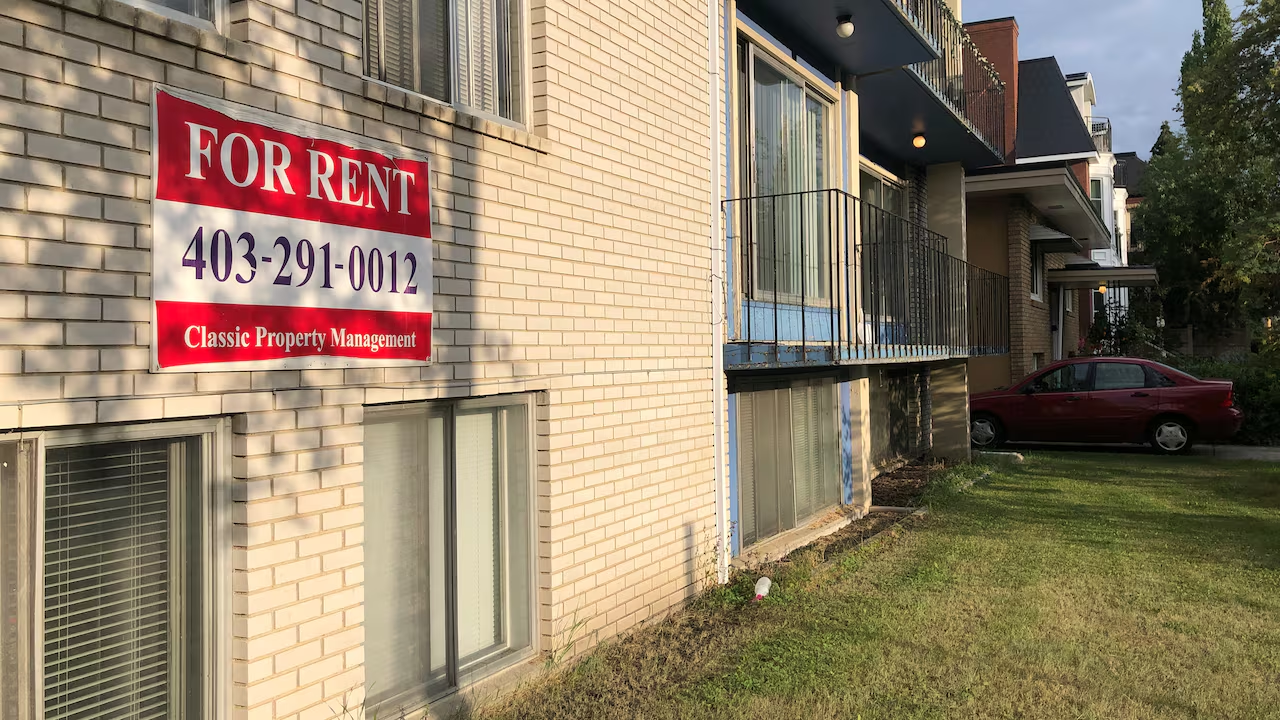
Moving to Calgary can be exciting, but finding a suitable place to live is one of the first major decisions that can affect how comfortable your first few months in the city will be. The process involves far more than finding an attractive apartment online and checking whether the monthly rent fits your budget. You also need to consider transportation, utility costs, parking, heating, insurance, lease conditions, neighborhood convenience, tenant rights and whether the property will remain affordable once any introductory discount ends.
For newcomers and immigrants, the rental process can feel even more complicated. Someone who has already lived in Canada for several years may have a local credit history, references from previous landlords, Canadian employment records and a clear understanding of how lease agreements work. A newly arrived immigrant may have none of those things despite having a stable career, good savings and years of responsible rental history in another country.
The good news is that Calgary’s rental market in 2026 is considerably less competitive than it was during some of the city’s tightest recent years. Calgary experienced very strong population growth earlier in the decade, which increased demand for housing and pushed vacancy rates extremely low. Since then, more rental housing has entered the market, vacancy has increased, and renters generally have more choice.
More Available Jobs




Canada Mortgage and Housing Corporation, commonly known as CMHC, forecasts Calgary’s purpose-built rental vacancy rate at approximately 5.9% in 2026, compared with only 1.4% in 2023. CMHC also forecasts the average two-bedroom purpose-built apartment rent at around C$1,948 per month in 2026.
That does not mean Calgary has suddenly become cheap. New buildings, larger family homes, highly desirable neighborhoods and properties close to good transportation can still command substantial rents. What has changed is that renters generally have more opportunity to compare options instead of feeling pressured to accept the first available property.
This guide explains the Calgary rental market in detail, including apartment prices, rental houses, basement suites, neighborhoods, tenant rights, leases, security deposits, utilities, immigrant rental applications, scams, move-in inspections and the practical steps that can help you secure a suitable home in 2026.
Calgary Rental Market in 2026
Calgary’s rental market went through a dramatic tightening earlier in the decade. Rapid population growth created strong demand for apartments, houses and basement suites, while the supply of available rentals struggled to keep up. Vacancy rates fell sharply, and prospective tenants often found themselves competing with several other applicants for the same property.
The situation has since changed. More purpose-built rental projects have been completed, new apartment supply has entered the market, and vacancy rates have risen significantly. The difference can be seen clearly in the recent numbers.
| Year | Calgary Purpose-Built Rental Vacancy Rate |
|---|---|
| 2023 | 1.4% |
| 2024 | 4.8% |
| 2025 | 5.0% |
| 2026 Forecast | About 5.9% |
A higher vacancy rate generally gives renters more bargaining power and more time to compare properties. In an extremely tight rental market, a landlord may receive several applications within hours of advertising a unit. In a softer market, a property may remain available for longer, and some landlords may offer incentives to attract tenants.
These incentives can include:
- reduced rent for the first month or several months;
- one month free on a longer lease;
- free or discounted parking;
- free storage;
- reduced administrative charges;
- move-in bonuses;
- discounted internet or utilities in some buildings; and
- lower effective rent through promotional offers.
Not every property will offer incentives, and attractive apartments can still rent quickly. However, renters in 2026 should generally feel more comfortable comparing several options before making a decision.
How Much Does It Cost to Rent in Calgary in 2026?
There is no single amount that represents the cost of renting in Calgary because prices vary substantially depending on the property. A studio in an older building can cost far less than a modern two-bedroom apartment downtown, while a three-bedroom detached house in a suburban community can cost considerably more.
Rental prices are influenced by factors such as:
- neighborhood;
- number of bedrooms;
- building age;
- property type;
- parking;
- furnishings;
- building amenities;
- proximity to downtown;
- proximity to a CTrain station;
- whether utilities are included;
- lease length;
- pet policies; and
- overall property condition.
CMHC’s 2026 outlook places the average two-bedroom purpose-built apartment rent at approximately C$1,948 per month. Listing websites can show different figures because they measure properties currently available to new tenants, while CMHC’s data include a broader portion of the rental market.
For example, current listing-market data in late 2026 have shown a broader Calgary median asking rent around C$1,800 per month, depending on the source, property type and bedroom count.
The important point is that renters should treat citywide averages as reference points rather than fixed prices.
Example Calgary Rental Budget
A rental advertised at C$1,800 per month may cost considerably more once other housing expenses are added.
| Monthly Expense | Example Cost |
|---|---|
| Rent | C$1,800 |
| Electricity | C$70 |
| Heat or Natural Gas | C$80 |
| Internet | C$80 |
| Tenant Insurance | C$30 |
| Parking | C$100 |
| Approximate Total | C$2,160 |
These numbers are only examples. Actual utility costs can vary significantly depending on the property, weather, household size and whether some services are included in the rent.
This is why renters should compare the total monthly cost rather than simply looking at the advertised rent. A C$1,900 apartment with heat, water and parking included can sometimes be cheaper overall than a C$1,700 apartment where everything is charged separately.
Types of Rental Housing in Calgary
Calgary offers a wide variety of rental housing, and each type has advantages and disadvantages depending on your household size, budget and lifestyle.
Purpose-Built Rental Apartments
Purpose-built rental apartments are buildings developed specifically for tenants. Instead of dealing with an individual condominium owner, the entire building is usually owned or managed by one company.
These properties can be particularly convenient for newcomers because the application and maintenance process is often more standardized. Many professionally managed buildings offer online applications, maintenance portals, dedicated building staff and multiple units with similar layouts.
Common amenities may include:
- underground parking;
- fitness centres;
- package lockers;
- bicycle storage;
- communal lounges;
- rooftop spaces;
- pet facilities; and
- on-site property management.
Newer buildings tend to charge more because of their amenities and modern finishes. Older rental buildings may offer fewer extras but sometimes provide larger units at more affordable prices.
Condominium Rentals
A condominium rental may look almost identical to a regular apartment, but the unit is usually owned by an individual investor. The owner may manage it personally or hire a property-management company.
Condo rentals can offer:
- newer appliances;
- modern finishes;
- underground parking;
- fitness facilities;
- concierge services in some buildings; and
- desirable inner-city locations.
However, tenants may have to follow condominium bylaws in addition to their lease. These rules can affect pets, smoking, moving procedures, common areas, parking and visitor access.
Before signing a condo lease, ask whether the building has additional tenant rules and whether there are any move-in or elevator-booking fees.
Basement Suites
Basement suites are common throughout Calgary and are often attractive to renters looking for lower monthly costs.
A well-designed basement suite may include:
- a private entrance;
- full kitchen;
- bathroom;
- separate bedrooms;
- independent laundry; and
- access to parking or outdoor space.
However, basement suites need to be inspected carefully. Calgary winters make heating and insulation particularly important, while moisture and ventilation can also become problems in poorly maintained properties.
Ask about:
- heating;
- ventilation;
- windows;
- emergency exits;
- ceiling height;
- sound transmission from upstairs;
- laundry;
- parking;
- utility sharing; and
- whether the suite complies with applicable local requirements.
If utilities are shared with the household upstairs, make sure the lease clearly explains how your share will be calculated.
Townhouses
Townhouses can be a good choice for families that need more space than an apartment but do not necessarily want the cost of a detached house.
They often provide:
- multiple bedrooms;
- private entrances;
- more storage;
- several floors;
- garages or assigned parking; and
- small yards or patios.
Before renting, ask who is responsible for snow removal, lawn care and exterior maintenance. These responsibilities vary from one property to another.
Detached and Semi-Detached Homes
A full rental house can be attractive to families who want more privacy, bedrooms, storage and outdoor space. Some renters also prefer suburban communities where detached housing is more common.
The biggest downside is that a house can involve significantly higher total costs.
Expenses may include:
- natural gas;
- electricity;
- water;
- internet;
- lawn care;
- snow removal;
- tenant insurance; and
- transportation.
A house that appears only C$300 more expensive than an apartment can eventually cost much more once utilities and transportation are included.
Furnished Rentals
Furnished apartments can be particularly useful for newcomers who arrive in Calgary without furniture.
A furnished unit may already include:
- beds;
- sofas;
- tables;
- chairs;
- cookware;
- televisions;
- linens; and
- basic household equipment.
The convenience usually comes with a higher rent. For that reason, furnished housing often makes the most sense as temporary accommodation during the first weeks or months after arrival.
Renting a Room
Renting a private room in a shared house or apartment is usually one of the cheapest ways to live in Calgary.
Before committing, ask:
- how many people live in the property;
- whether the landlord lives there;
- which rooms are shared;
- how utilities are divided;
- visitor rules;
- kitchen arrangements;
- cleaning expectations;
- parking availability; and
- notice requirements.
Shared-living arrangements can sometimes fall outside parts of Alberta’s normal residential tenancy framework, particularly where the renter shares the landlord’s living quarters as part of the same household.
Calgary Neighborhoods to Consider
There is no neighborhood that is automatically best for every renter. The right location depends on your work, transportation, budget, household size and lifestyle.
Before comparing communities, think about:
- distance to work;
- transit access;
- schools;
- grocery stores;
- healthcare;
- childcare;
- parking;
- community facilities; and
- travel time during winter.
Downtown Calgary
Downtown can be attractive to professionals who work in the city centre because it can reduce commuting time and transportation costs. Many offices, restaurants and services are within walking distance, and the CTrain provides convenient access to other parts of Calgary.
The trade-off is that downtown units can be smaller, parking can be expensive and newer buildings may charge premium rents.
Downtown tends to work particularly well for:
- single professionals;
- couples;
- people working centrally;
- renters without cars; and
- people who prefer an urban lifestyle.
Beltline
Beltline is one of Calgary’s best-known rental neighborhoods. It sits just south of downtown and contains a large number of apartments and condominiums.
Its attractions include:
- restaurants;
- cafés;
- shops;
- nightlife;
- walkability;
- access to downtown; and
- many different rental buildings.
Prices vary substantially depending on the age and quality of the building. Older apartments can sometimes provide better value than luxury towers a few blocks away.
Mission and Cliff Bungalow
Mission and Cliff Bungalow appeal to renters looking for a walkable inner-city environment with restaurants, shops and relatively easy access to downtown.
The area offers a mix of older apartments, renovated buildings and newer developments. Well-located units can still command high rents despite broader softness in Calgary’s rental market.
Bridgeland and Riverside
Bridgeland offers good access to downtown while maintaining more of a neighborhood atmosphere. It is popular with renters who value parks, restaurants, river pathways and public transportation.
Newer condominiums can be expensive, but older properties may offer better value.
Kensington, Sunnyside and Hillhurst
These communities are popular because of their proximity to downtown, CTrain access, restaurants and established residential streets.
Well-priced units can still attract strong demand, so renters should be prepared to act reasonably quickly if they find a genuinely good property.
Northeast Calgary
Northeast Calgary is particularly popular with many newcomer communities because it offers a broad range of housing and services.
Communities include areas such as:
- Saddleridge;
- Martindale;
- Taradale;
- Falconridge;
- Skyview Ranch;
- Redstone; and
- surrounding neighborhoods.
Rental options range from basement suites and apartments to townhouses and detached houses.
Transit access varies considerably, so always check the exact property rather than assuming every northeast neighborhood offers the same convenience.
Northwest Calgary
Northwest Calgary contains apartments near universities and transit stations as well as larger suburban communities farther from the city centre.
Students, university workers and families may all find suitable options, but transportation should be checked carefully in the outer northwest.
Southeast Calgary
The southeast contains many newer communities, including:
- Seton;
- Mahogany;
- Auburn Bay;
- Copperfield;
- New Brighton; and
- nearby developments.
These neighborhoods often provide newer housing and more space, which can appeal to families. However, commuting to downtown without a car may be less convenient from some locations.
Southwest Calgary
Southwest Calgary offers a mix of inner-city neighborhoods, established suburban communities, apartments, townhouses and houses.
Prices vary greatly, and access to LRT stations can make certain areas particularly attractive for renters who commute downtown.
Choose the Commute Before You Choose the Apartment
One of the easiest mistakes to make is choosing a property before understanding how long it will take to travel to work or school.
A C$1,700 apartment may look like excellent value until you discover that the commute takes 90 minutes each way. Meanwhile, a C$1,850 apartment closer to work may actually be better value once transportation costs and lost time are considered.
Before signing any lease, test the journey from the exact address to your regular destination.
Check:
- weekday morning travel;
- evening travel;
- weekend service;
- distance to the nearest bus stop;
- CTrain access;
- grocery stores;
- schools;
- childcare;
- medical services; and
- winter walking distance.
If you do not own a car, public transportation should be one of the first things you evaluate.
Renting in Calgary as a New Immigrant
One of the biggest concerns for newcomers is how to rent without an established Canadian credit history.
A landlord may ask for:
- Canadian employment;
- rental references;
- credit information;
- proof of income; and
- identification.
A newly arrived immigrant may not have all of these. That does not mean the application will automatically fail.
The goal is to provide other evidence that shows you are financially reliable.
Documents Newcomers Should Prepare
A strong rental application folder can include:
- passport or other identification;
- immigration documents where appropriate;
- employment offer letter;
- proof of salary;
- recent pay slips if available;
- bank statements where you choose to provide them;
- previous landlord references;
- employment references;
- proof of savings;
- Canadian credit report if one exists; and
- previous rental records from another country.
The exact documents requested will vary from landlord to landlord.
Do not automatically send sensitive personal information to every rental advertiser. Verify the property and landlord first.
What If You Have No Canadian Credit History?
Having little or no Canadian credit is completely normal for a new immigrant.
Canadian credit bureaus generally build their reports from financial activity within Canada, so your history from another country may not automatically appear.
If the landlord asks for Canadian credit and you do not have enough history, explain the situation directly.
A simple explanation can be:
I recently moved to Canada, so my Canadian credit file is still new. I am employed full-time and can provide my employment letter, income information, savings records and references from previous landlords.
You can strengthen your application with:
- stable employment;
- sufficient savings;
- a strong previous rental reference;
- employer references; and
- evidence of regular income.
Do not invent Canadian references or provide false employment information.
Be Careful With Your Social Insurance Number
Some landlords or rental applications may ask for your Social Insurance Number, commonly known as a SIN.
You should not automatically provide it simply because it has been requested.
A SIN is sensitive personal information, and ordinary credit screening can generally be carried out using other identifying information.
If someone requests your SIN, ask:
- why it is required;
- how it will be used;
- how it will be stored;
- who will have access to it; and
- whether another form of identification can be used.
Protecting your identity is just as important as finding a rental home.
Should New Immigrants Pay Several Months of Rent Upfront?
Some newcomers consider offering several months of rent in advance because they are worried about not having Canadian credit.
Be careful.
Alberta limits the normal security deposit to no more than one month’s rent at the beginning of the tenancy.
Prepaid rent and a security deposit are not necessarily treated exactly the same way, but unusual arrangements should still be reviewed carefully.
Before paying a large amount upfront, make sure you understand:
- exactly what the payment represents;
- whether it is refundable;
- how it appears in the lease;
- what happens if the tenancy ends early; and
- whether the arrangement complies with applicable law.
Never send several months of rent simply because someone says you must pay immediately to secure the property.
How Rental Scams Target Newcomers
Rental scams often target people who are moving from another city or country because those renters may be unable to inspect a property in person.
A common scam works like this:
- A scammer copies photographs and information from a legitimate property listing.
- They advertise the same property at a much lower rent.
- The victim contacts them.
- The scammer claims to be outside Canada.
- The victim is told that the keys will be sent after payment.
- The deposit is transferred.
- The supposed landlord disappears.
Warning signs include:
- rent far below similar properties;
- refusal to arrange a viewing;
- refusal to conduct a live video tour;
- requests for cryptocurrency;
- gift-card payment requests;
- pressure to pay immediately;
- vague lease documents;
- inconsistent names;
- claims that the landlord is permanently overseas; and
- a refusal to prove authority to rent the property.
If you are still outside Canada, a live video viewing can help, but it should not be your only verification step.
How to Check Whether a Rental Is Genuine
Before sending money:
Search the address
Check whether the same property appears elsewhere with different contact information or a different rent.
Compare market prices
If similar two-bedroom apartments cost C$2,000 and one luxury unit is advertised for C$850, investigate carefully.
View the property
Whenever possible, attend personally.
If you are overseas, request a live video viewing.
Verify the management company
Find the company’s official website independently rather than relying only on the link sent by the advertiser.
Read the lease
Do not send substantial money without understanding the rental agreement.
Check who receives the payment
Be cautious if payment is being sent to a completely unrelated person.
Where to Search for Calgary Rentals
A strong rental search should use several sources rather than depending on one website.
Possible sources include:
- major rental websites;
- property-management company websites;
- condominium listings;
- classified platforms;
- social-media rental groups;
- local rental companies;
- referrals; and
- apartment-building signs.
Property-management company websites can be particularly useful because large rental operators may advertise incentives directly.
Useful search phrases include:
- apartments for rent Calgary;
- Calgary rental incentives;
- Calgary purpose-built rentals;
- two-bedroom Calgary apartments;
- Calgary apartments near CTrain;
- Calgary townhouses for rent; and
- Calgary rental homes.
How to Compare Apartments Properly
Create a simple comparison table before deciding.
| Property | Rent | Utilities | Parking | Commute | Approx. Effective Cost |
|---|---|---|---|---|---|
| Apartment A | C$1,700 | Heat/water included | C$125 | 25 mins | C$1,905+ |
| Apartment B | C$1,850 | Heat/water included | Included | 15 mins | C$1,930+ |
| Apartment C | C$1,650 | Tenant pays all | C$150 | 45 mins | C$2,000+ |
Apartment C looks cheapest when rent alone is considered, but once other costs are added, it may become the most expensive option.
Questions to Ask Before a Viewing
Before travelling across the city, confirm the important details.
Ask:
- Is the unit still available?
- What is the monthly rent?
- Which utilities are included?
- What is the security deposit?
- Is parking included?
- Is the lease fixed-term or month-to-month?
- Are pets allowed?
- Is there a pet fee or pet rent?
- Is tenant insurance required?
- Is laundry inside the unit?
- Are there additional monthly charges?
- When is the unit available?
- What income information is required?
- Is a credit check required?
- Are newcomer applications accepted?
These questions can save substantial time.
What to Check During a Rental Viewing
A rental viewing should be treated as a proper inspection.
Heating
Calgary winters can be severe, so heating is one of the most important things to understand.
Ask:
- What type of heating is used?
- Is heat included?
- Who controls the thermostat?
- Has the unit had heating problems?
- Are there obvious drafts around windows?
Windows and Doors
Check whether windows:
- close properly;
- lock;
- show signs of moisture;
- have damaged frames; or
- allow excessive drafts.
Check that exterior doors lock securely.
Water and Plumbing
Turn on taps if possible and check:
- hot water;
- water pressure;
- drainage;
- leaking taps; and
- visible moisture.
Bathroom
Look for:
- mould;
- leaking fixtures;
- poor ventilation;
- cracked tiles;
- water damage; and
- damaged caulking.
Kitchen
Inspect:
- refrigerator;
- stove;
- dishwasher if included;
- cupboards;
- countertops; and
- plumbing beneath the sink.
Laundry
Ask whether laundry is:
- inside the unit;
- shared;
- coin-operated;
- card-operated; or
- unavailable.
Noise
Pause and listen.
Check for:
- traffic;
- elevators;
- trains;
- nearby bars;
- construction;
- neighboring units; and
- mechanical systems.
Parking
Confirm:
- whether parking is included;
- whether the stall is assigned;
- whether it is indoors;
- whether visitor parking exists; and
- whether additional parking costs extra.
Understand Exactly What Utilities Are Included
Do not assume the advertised rent includes everything.
Ask specifically about:
- electricity;
- heat;
- natural gas;
- water;
- sewer;
- waste collection;
- internet;
- cable;
- parking; and
- storage.
Get important utility arrangements in writing.
Heating costs deserve special attention because Calgary winters can make a large house much more expensive to operate than a small apartment.
Tenant Insurance
Many landlords require tenant insurance, and even where it is optional, it can provide valuable protection.
The landlord’s building insurance generally protects the owner’s property. It does not automatically replace your personal belongings.
Tenant insurance can potentially help protect:
- furniture;
- clothing;
- electronics;
- personal belongings;
- liability; and
- temporary accommodation after some insured losses.
The exact coverage depends on the policy.
Understanding Calgary Lease Agreements
A lease should clearly state the main terms of the tenancy.
Check that it identifies:
- landlord;
- tenant;
- property address;
- rent;
- rent due date;
- security deposit;
- lease start date;
- lease end date if fixed;
- utilities;
- parking;
- pets;
- smoking rules;
- insurance requirements;
- maintenance responsibilities; and
- additional charges.
If the landlord promises something important during the viewing, ask for it to appear in writing.
Fixed-Term Tenancy
A fixed-term tenancy has a defined start and end date.
For example:
November 1, 2026 to October 31, 2027
One important advantage is that the landlord cannot increase the rent during that fixed term.
Periodic Tenancy
A periodic tenancy continues until properly terminated. Month-to-month tenancies are the most common example.
These agreements provide flexibility but also require both landlords and tenants to understand the applicable notice rules.
Calgary Security Deposits
In Alberta, the security deposit is often called a damage deposit.
The normal maximum is one month’s rent at the beginning of the tenancy.
For example:
Monthly rent: C$1,850
Maximum security deposit: C$1,850
The landlord cannot later increase the deposit simply because the rent increases.
Keep:
- payment receipt;
- lease;
- move-in inspection report; and
- any correspondence concerning the deposit.
Pet Fees and Other Charges
Pet-related charges can be confusing because some are refundable and others are not.
Before signing, ask:
- Is the pet fee refundable?
- Is there monthly pet rent?
- Are there breed restrictions?
- Are there size restrictions?
- Are there condominium rules?
- Can the fee increase later?
Make sure the arrangement is included in the written lease.
The Move-In Inspection Is Extremely Important
The move-in inspection is one of the most important parts of protecting your security deposit.
Document anything that already exists, including:
- scratched flooring;
- carpet stains;
- wall marks;
- holes;
- damaged blinds;
- chipped countertops;
- dented appliances;
- leaking taps;
- cracked tiles; and
- damaged doors.
Take your own photographs and videos as additional evidence.
Do not simply sign a report saying everything is in good condition if it is not.
Tenant Rights in Calgary
Residential renting in Calgary is primarily governed by Alberta’s Residential Tenancies Act and related regulations.
The rules establish responsibilities for both landlords and tenants.
Tenants generally have the right to live in the rental home without unreasonable interference while the landlord retains rights concerning rent, property protection and lawful access.
Knowing these rules before a disagreement occurs can prevent unnecessary disputes.
Repairs and Habitability
Landlords have responsibilities concerning the condition of rental premises.
Serious issues involving:
- heating;
- electricity;
- plumbing;
- sewage;
- hot water;
- structural safety; and
- essential services
should be reported promptly.
Whenever possible, make repair requests in writing and keep copies.
Do not automatically stop paying rent because a repair has not been completed. Alberta provides specific dispute-resolution procedures, and simply withholding rent can create a separate problem.
When Can a Landlord Enter?
A landlord cannot normally enter your rental home whenever they want.
Entry is generally allowed:
- with tenant consent;
- after proper written notice for authorized reasons;
- during an emergency; or
- in certain situations involving suspected abandonment.
Where consent has not been given, Alberta generally requires at least 24 hours’ written notice for lawful non-emergency entry.
Common reasons include:
- inspections;
- repairs;
- maintenance;
- pest control; and
- certain property showings.
Rent Increases in Alberta
Alberta currently does not impose a general percentage cap on residential rent increases.
However, landlords cannot increase rent whenever they want.
At least 365 days must normally pass since:
- the tenancy began; or
- the previous rent increase,
whichever is later.
Rent also cannot be increased during a fixed-term tenancy.
Example
Suppose you sign a one-year fixed lease on January 1, 2026 at C$1,750 per month.
The landlord cannot increase the rent to C$1,950 in July 2026 simply because market prices changed.
The fixed term must run its course.
Tenant Responsibilities
Tenants also have responsibilities.
These generally include:
- paying rent on time;
- keeping the property reasonably clean;
- avoiding unnecessary damage;
- following lawful lease rules;
- respecting neighbors;
- allowing lawful landlord access; and
- leaving the property when the tenancy legally ends.
Tenant rights do not remove tenant responsibilities.
Normal Wear and Tear Versus Damage
Normal wear and tear occurs through ordinary use.
Examples may include:
- gradual carpet wear;
- aging paint;
- minor scuffs; and
- natural deterioration.
Damage is different and may include:
- large wall holes;
- broken doors;
- serious stains caused by negligence;
- destroyed flooring; and
- deliberately damaged fixtures.
The move-in inspection helps establish which issues existed before the tenancy began.
Ending a Month-to-Month Tenancy
For a typical month-to-month tenancy, Alberta generally requires the tenant to provide one full tenancy month of notice.
Landlord notice requirements are generally longer and depend on the circumstances.
Do not assume one month’s notice means exactly 30 days. The notice period needs to correspond correctly with the tenancy period.
Getting Your Damage Deposit Back
At the end of the tenancy:
- give proper notice;
- complete the move-out inspection;
- remove your belongings;
- clean the property reasonably;
- return the keys;
- photograph the final condition; and
- provide your forwarding address in writing.
If the landlord intends to deduct money, the deductions should be properly accounted for.
If you believe your deposit has been unfairly withheld, you may be able to use Alberta’s Residential Tenancy Dispute Resolution Service.
What Is RTDRS?
RTDRS stands for Residential Tenancy Dispute Resolution Service.
It provides a process for resolving many landlord-tenant disputes without beginning with ordinary court proceedings.
Matters can include:
- unpaid rent;
- security deposits;
- damages;
- repairs;
- utilities;
- possession; and
- termination disputes.
Keep all relevant evidence if you believe you may need to make a claim.
Keep a Rental Evidence Folder
Throughout the tenancy, keep copies of:
- signed lease;
- deposit receipt;
- inspection reports;
- photographs;
- rent receipts;
- repair requests;
- landlord notices;
- emails;
- text messages;
- utility agreements; and
- move-out documents.
Good records can make a major difference if a dispute develops months later.
Housing Discrimination and Newcomers
New immigrants should know that landlords cannot lawfully discriminate based on protected characteristics such as race, ancestry or place of origin.
Landlords can still use legitimate rental-screening criteria such as income, credit information and rental history, provided those criteria are applied lawfully.
If you believe you were rejected because of a protected personal characteristic rather than legitimate rental criteria, you may wish to seek information from the Alberta Human Rights Commission or another appropriate service.
How New Immigrants Can Strengthen Their Application
A newcomer should focus on reducing uncertainty for the landlord.
A strong application may include:
- employment verification;
- salary information;
- proof of savings;
- previous landlord references;
- professional references;
- identification; and
- complete application documents.
Arrive at viewings on time and communicate clearly.
If you do not have Canadian credit, explain why rather than allowing the landlord to assume that your file is missing information.
What Income Do You Need to Rent in Calgary?
There is no single legal income requirement for renting an apartment.
Some landlords use internal affordability rules, while others consider the applicant’s overall financial circumstances.
A commonly used budgeting guideline is that housing should consume roughly 30% of gross household income, although many households spend more or less.
For example:
Monthly rent: C$1,900
Annual rent: C$22,800
If that represented exactly 30% of gross income, household income would need to be approximately C$76,000 per year.
This is a budgeting example, not a legal rental requirement.
Budget for Move-In Costs
Your first month can be much more expensive than your normal monthly housing cost.
| Initial Cost | Example |
|---|---|
| First Month’s Rent | C$1,850 |
| Security Deposit | C$1,850 |
| Moving | C$300 |
| Tenant Insurance | C$30 |
| Internet Setup | C$100 |
| Household Supplies | C$300 |
| Basic Furniture | C$1,000 |
| Approximate Total | C$5,430 |
International newcomers may spend even more because they may also need furniture, winter clothing and household essentials.
Furnished or Unfurnished?
A furnished apartment can make sense during your first few weeks in Calgary.
A practical strategy can be:
- rent short-term furnished accommodation;
- begin work or school;
- learn Calgary’s neighborhoods;
- test the commute;
- compare permanent rentals; and
- sign a longer-term lease once you understand the city better.
This can be safer than signing a one-year lease from another country based only on photographs.
Calgary Winters Should Affect Your Rental Decision
Winter convenience matters.
Before choosing a property, think about:
- distance to transit;
- underground parking;
- outdoor parking;
- snow removal;
- building heating;
- window quality;
- bus frequency;
- sidewalk conditions; and
- walking distance to essential services.
A property that feels convenient during summer may feel completely different in January.
Parking and Cars
If you own a vehicle, ask:
- Is parking included?
- Is the stall assigned?
- Is it underground?
- Is it heated?
- Is visitor parking available?
- Is street parking restricted?
- What does a second stall cost?
A cheap apartment with expensive parking may not be cheap overall.
Families and Schools
Families should investigate schools before signing a long lease.
Check:
- designated school;
- school board;
- school transportation;
- grade availability;
- program options; and
- registration requirements.
Do not assume the closest school automatically serves the property.
Students Renting in Calgary
Students should pay particular attention to:
- campus distance;
- CTrain access;
- roommates;
- lease length;
- summer plans;
- utilities;
- furniture; and
- subletting rules.
If you plan to leave during the summer, confirm whether subletting is allowed before signing.
Roommates
Shared housing can reduce costs, but financial expectations should be clear.
Discuss:
- who signs the lease;
- whether everyone is jointly responsible;
- rent splitting;
- utilities;
- internet;
- groceries;
- cleaning;
- guests;
- parking; and
- what happens if someone leaves early.
Friendship does not replace a clear agreement.
Pets
If you have a pet, disclose it before signing.
Ask:
- Are pets allowed?
- Are dogs and cats treated differently?
- Are there size restrictions?
- Are there breed restrictions?
- Is there a pet fee?
- Is it refundable?
- Is there monthly pet rent?
- Are condominium rules involved?
Do not secretly move a pet into a property where the lease prohibits animals.
Negotiate the Whole Rental Package
In a softer market, negotiation can involve more than monthly rent.
A landlord may refuse to reduce the rent but agree to provide:
- free parking;
- free storage;
- discounted first-month rent;
- a rent-free period;
- new appliances;
- professional cleaning; or
- other incentives.
For example:
Property A:
C$1,850 rent + C$150 parking = C$2,000
Property B:
C$1,925 rent + free parking = C$1,925
Property B is actually cheaper despite the higher advertised rent.
Watch for Promotional Rent
Some rental advertisements show the effective monthly rent rather than the amount paid every month.
Example:
Regular rent: C$2,000
One month free on a 12-month lease.
Total annual rent paid: C$22,000
Effective monthly rent: approximately C$1,833
The advertisement may highlight C$1,833 even though most monthly payments are still C$2,000.
Always ask:
What amount will actually be due each month?
Also ask what the normal rent will be after the promotion ends.
Before Paying Any Deposit
Use this checklist:
- Verify the address.
- View the property.
- Confirm the landlord or management company.
- Read the lease.
- Confirm monthly rent.
- Confirm utilities.
- Confirm parking.
- Confirm the security deposit.
- Confirm pet or administrative charges.
- Confirm the move-in date.
- Ask how keys will be provided.
- Obtain proof of every payment.
Do not allow artificial urgency to make you skip basic verification.
On Move-In Day
Before unpacking everything:
- complete the inspection;
- photograph walls and floors;
- test appliances;
- check windows and doors;
- confirm keys and fobs;
- inspect the bathroom;
- test heating;
- photograph existing damage; and
- record utility meter readings where appropriate.
Save the inspection report.
During the Tenancy
Report maintenance issues promptly.
A small leak can become major water damage if ignored.
Keep written records of important maintenance requests and take photographs when relevant.
If you anticipate difficulty paying rent, communicate early rather than disappearing or ignoring the problem.
Before Moving Out
Plan ahead.
Do not wait until your final week to discover the notice requirements.
Before leaving:
- give proper notice;
- schedule the move-out inspection;
- remove all belongings;
- clean the property;
- repair tenant-caused damage where appropriate;
- return keys;
- photograph the final condition; and
- provide your forwarding address.
Should Newcomers Rent or Buy in Calgary?
Even if you eventually intend to purchase a home, renting first can make sense.
Renting gives you time to understand:
- neighborhoods;
- commuting patterns;
- employment stability;
- schools;
- mortgage qualification;
- Canadian credit;
- property taxes;
- condominium fees; and
- your long-term plans.
A neighborhood that looks ideal before arrival may not be the place you eventually want to buy.
Practical Calgary Rental Plan for Newcomers
Before Arrival
Research average rents, choose several possible neighborhoods and prepare employment and financial documents.
First Week
Learn your work or school commute, open your Canadian banking arrangements and explore neighborhoods in person.
Weeks 1 to 2
View several properties rather than committing immediately.
Compare Total Costs
Include:
- rent;
- utilities;
- insurance;
- parking;
- transportation; and
- commuting time.
Verify the Lease
Read every important condition before signing.
Pay Through Traceable Methods
Keep receipts.
Complete the Inspection
Photograph the property and document existing damage.
Frequently Asked Questions About Renting in Calgary
What Is the Average Rent in Calgary in 2026?
CMHC forecasts an average two-bedroom purpose-built apartment rent of around C$1,948 per month in Calgary in 2026. Actual rents vary by neighborhood, building, bedroom count and property type.
Is Calgary Rent Falling?
Some asking-rent data have shown rents softening compared with the previous year, while CMHC expects modest growth in average occupied rents. Different sources measure different parts of the market.
Is It Easier to Find an Apartment in Calgary in 2026?
Generally, yes. Calgary’s purpose-built vacancy rate has risen significantly compared with 2023, giving renters more choice in many parts of the market.
How Much Is the Damage Deposit in Calgary?
The normal maximum security deposit is one month’s rent at the beginning of the tenancy.
Can a Landlord Ask for Two Months’ Damage Deposit?
A normal security deposit exceeding one month’s rent would conflict with Alberta’s security-deposit limit.
Can Rent Increase Every Few Months?
No. Alberta generally requires at least 365 days between permitted rent increases, and rent cannot be increased during a fixed-term tenancy.
How Much Can Rent Increase in Alberta?
Alberta currently has no general percentage cap on residential rent increases. The timing and notice rules still apply.
Can a Landlord Enter Without Permission?
Not whenever they want. In ordinary non-emergency situations, the landlord generally needs consent or proper written notice for a legally permitted reason.
Can I Rent Without Canadian Credit?
Yes. Newcomers often use employment letters, savings, income information and previous rental references to strengthen their applications.
Do I Need to Give a Landlord My SIN?
You should be cautious. A SIN is sensitive information and is not ordinarily necessary just to complete a basic rental credit check.
Can New Immigrants Rent Apartments in Calgary?
Yes. The main challenge is often demonstrating financial reliability without a long Canadian credit or rental history.
Can a Landlord Refuse Me Because I Am an Immigrant?
Landlords cannot lawfully discriminate based on protected characteristics such as race, ancestry or place of origin.
Is Heat Included?
Sometimes. It depends on the property. Always confirm which utilities are included.
Do I Need Tenant Insurance?
Many landlords require it, and even where it is optional, it can be valuable.
Is Downtown Calgary Expensive?
Downtown can be more expensive than some suburban locations, especially in newer buildings, but prices vary considerably.
Is Northeast Calgary Good for Newcomers?
Many newcomers live in northeast Calgary because of its housing variety, community services and transportation options, but the best area depends on your personal circumstances.
Are Basement Suites Cheaper?
They often can be, but renters should inspect heating, ventilation, windows, moisture, soundproofing and utility arrangements carefully.
Can I Rent Before Arriving in Canada?
Yes, but remote renting creates additional scam risk. Temporary accommodation followed by in-person apartment hunting can often be safer.
What If My Landlord Refuses to Make Repairs?
Notify the landlord in writing and keep records. If the issue is serious and unresolved, Alberta’s dispute-resolution system may provide options.
Can I Stop Paying Rent Because Repairs Have Not Been Done?
Do not assume withholding rent is lawful. Use the proper dispute-resolution process instead.
What Is RTDRS?
RTDRS is Alberta’s Residential Tenancy Dispute Resolution Service, which handles many landlord and tenant disputes involving rent, damages, repairs, deposits and tenancy termination.
Can a Landlord Keep My Entire Deposit?
A landlord cannot simply keep the deposit without justification. Alberta has rules concerning inspections, deductions and security-deposit accounting.
Final Thoughts
Renting in Calgary in 2026 is easier in some respects than it was during the city’s extremely tight rental market several years ago. More rental supply has entered the market, vacancy has increased and renters generally have more opportunity to compare properties before committing.
That additional choice should be used carefully. Do not judge a property only by its advertised rent. Utilities, parking, insurance, transportation, winter heating and commuting costs can make a supposedly cheap rental far more expensive than expected.
New immigrants should not panic simply because they lack Canadian credit history. Employment documents, financial records, savings and genuine references can help demonstrate reliability. Explain your situation clearly and provide the strongest legitimate evidence available.
At the same time, protect yourself from scams. Verify landlords, inspect properties where possible, avoid unnecessary disclosure of sensitive personal information and never allow pressure to push you into transferring money before basic checks are complete.
Once you find a suitable property, read the lease carefully and understand Alberta’s tenancy rules. The security deposit is normally limited to one month’s rent, rent increases are subject to timing restrictions, fixed-term rent cannot be increased during the term, and landlords generally need proper notice before entering without consent.
The best Calgary rental is not necessarily the cheapest property or the newest apartment. It is the home that offers the right balance of rent, utilities, location, transportation, comfort, lease terms and long-term affordability.
Taking a little more time to compare these factors before signing can make your first year in Calgary considerably easier.
Important Notice
This guide is provided for general informational purposes and should not be treated as legal advice. Rental prices, vacancy rates, landlord incentives and individual housing costs can change frequently, while Alberta tenancy laws and administrative procedures may also change.
Before making an important financial or legal decision, verify current information through the Government of Alberta, Canada Mortgage and Housing Corporation or another appropriate official authority.